
Welcome to Round 12 of the Magic Formula Portfolio!
This is a series within Guru Gems where I test whether Joel Greenblatt’s Magic Formula still works.
The rule for the Magic Formula portfolio is straightforward: hold each name for a year, then sell it and buy whatever ranks highest on the screener that week.
This month the screener kept two of the three names whose year was up.
Quick reminder if you are new to Guru Gems: while studying investing masters, I am creating two real-money portfolios to put my learnings into practice.
To learn more about my Guru Gems journey, start here.
Magic Formula Refresh
In ‘The Little Book that (Still) Beats the Market’, Joel Greenblatt suggests that a regular investor can beat the market averages by buying a group of ‘good’ companies at ‘cheap’ prices.
‘Good’ → High return on capital
‘Cheap’ → High earnings yield
Since he expects the magic formula to work on average, Greenblatt suggests to own a basket of 20-30 stocks, to buy this basket over the course of a year, and to hold each stock for exactly one year.
So that’s exactly what I’m doing…
You can read more on Joel Greenblatt and his Magic Formula here.
You can also download my Joel Greenblatt e-book for free:

One Year and Two Months in: Current Magic Portfolio Performance
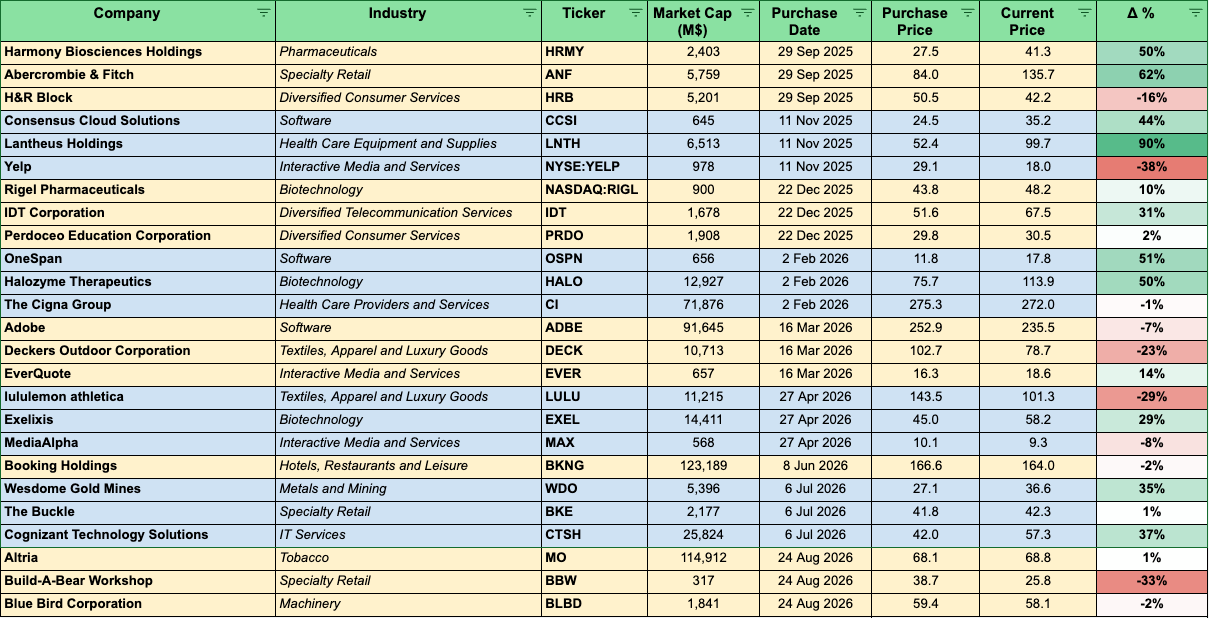
On a YTD basis, the Portfolio returned +13.3%, just ahead of the S&P 500 (+12.8%).
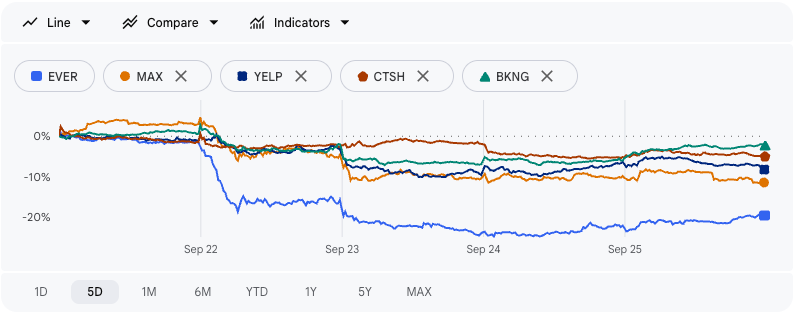
A few names took a serious beating this week, in part driven by the buzz around Meta’s Muse AI agent. All aggregator companies, digital marketplaces and names that rely on digital ad revenue were sold off in the days following the announcement.
Here is the latest picture of the portfolio, which you can also access at any time here.
“If you are able to stick with the magic formula strategy through good periods and bad, you will handily beat the market averages over time” — Joel Greenblatt
Cohort 3: One Out, Two Staying
Greenblatt’s rule is to hold each stock for exactly one year, then sell.
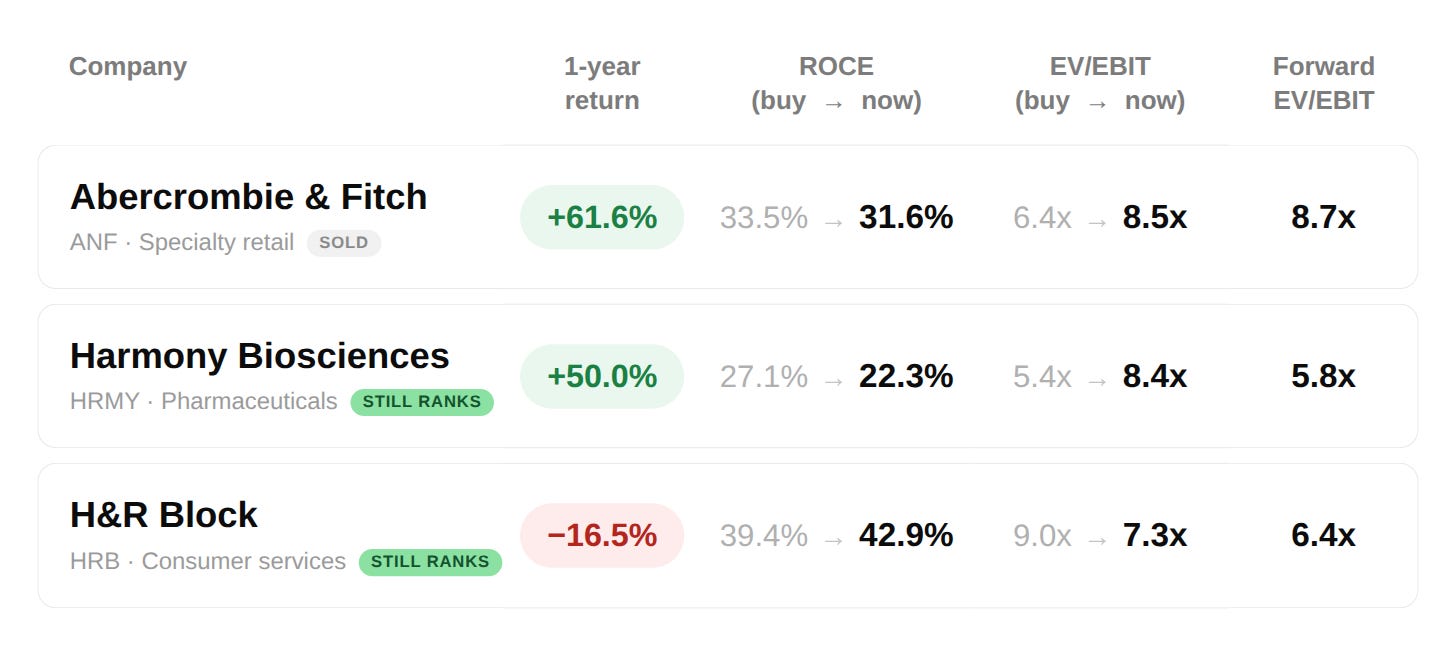
This week I should sell the names I bought on 29 September 2025: Harmony Biosciences Holdings (HRMY), Abercrombie & Fitch (ANF), and H&R Block (HRB).
Two of those (HRMY, HRB) still rank very high on the current screener, so I’m keeping them in the portfolio (it’s as if I sold them and bought them again).
Abercrombie (ANF) is the only one that goes out this round, leaving with a 62% return, which is not too bad.
H&R Block: Cheaper Than When I Bought It
HRB (Market Cap $5.2B) is down about 16% since I bought it. Over the same year its return on capital rose from 39.4% to 42.9%, and its EV/EBIT fell from 9.0x to 7.3x.
The business improved, the price fell, and the stock now ranks higher on the formula than it did when I bought it.
I ran the latest Magic Formula list (top 30 at a $1B minimum market cap) through four rankings: return on capital (ROCE) with EV/EBIT, ROCE using the three year average, then both again using P/FCF instead of EV/EBIT. HRB came between third and fifth on all four.
A reminder of what HRB does: H&R Block has been preparing US tax returns since 1955, through retail offices, franchises and a DIY digital product. Assisted preparation is 65% of revenue, the operating margin is 23%, the five year average ROCE is 36%, and the share count falls about 7% a year.
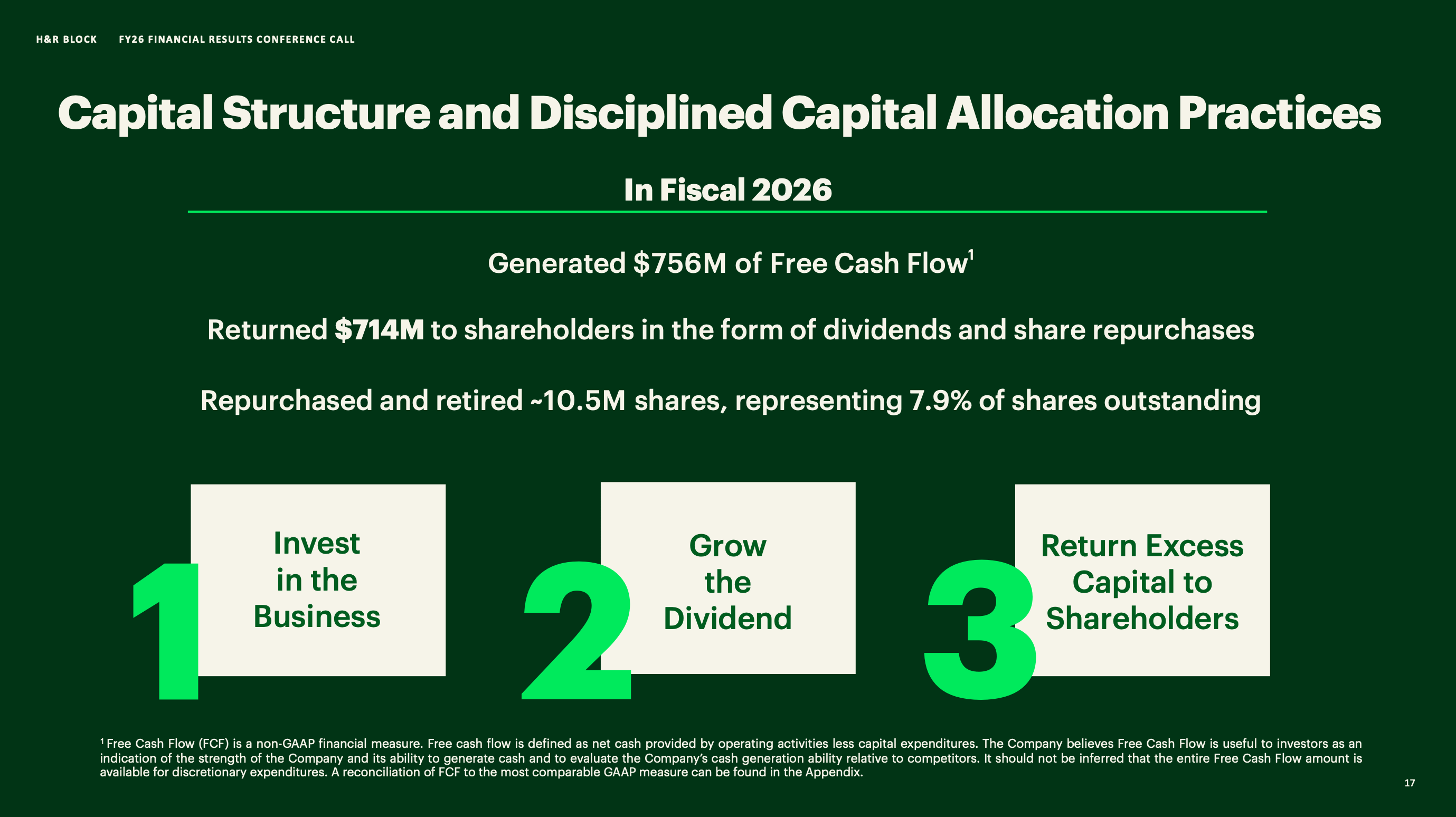
The market prices HRB as if software and AI are about to take the assisted business apart. The FY26 results, published in August, do not show that happening yet: revenue grew 4.9% to $3.95B, net income 21% to $736M, the company held its share of the assisted market for a third year running, and it retired 7.9% of its shares.
Harmony Biosciences: Up 50% and Still Ranking
Magic Formula metrics: ROCE 22% (ROIC 34%); EV/EBIT 8.2x; P/FCF 6.8x; Net cash
HRMY (Market Cap $2.4B) has gone up 50% since I added it last year, and it is still cheap enough to rank between seventh and twelfth on the four lists I mention above.
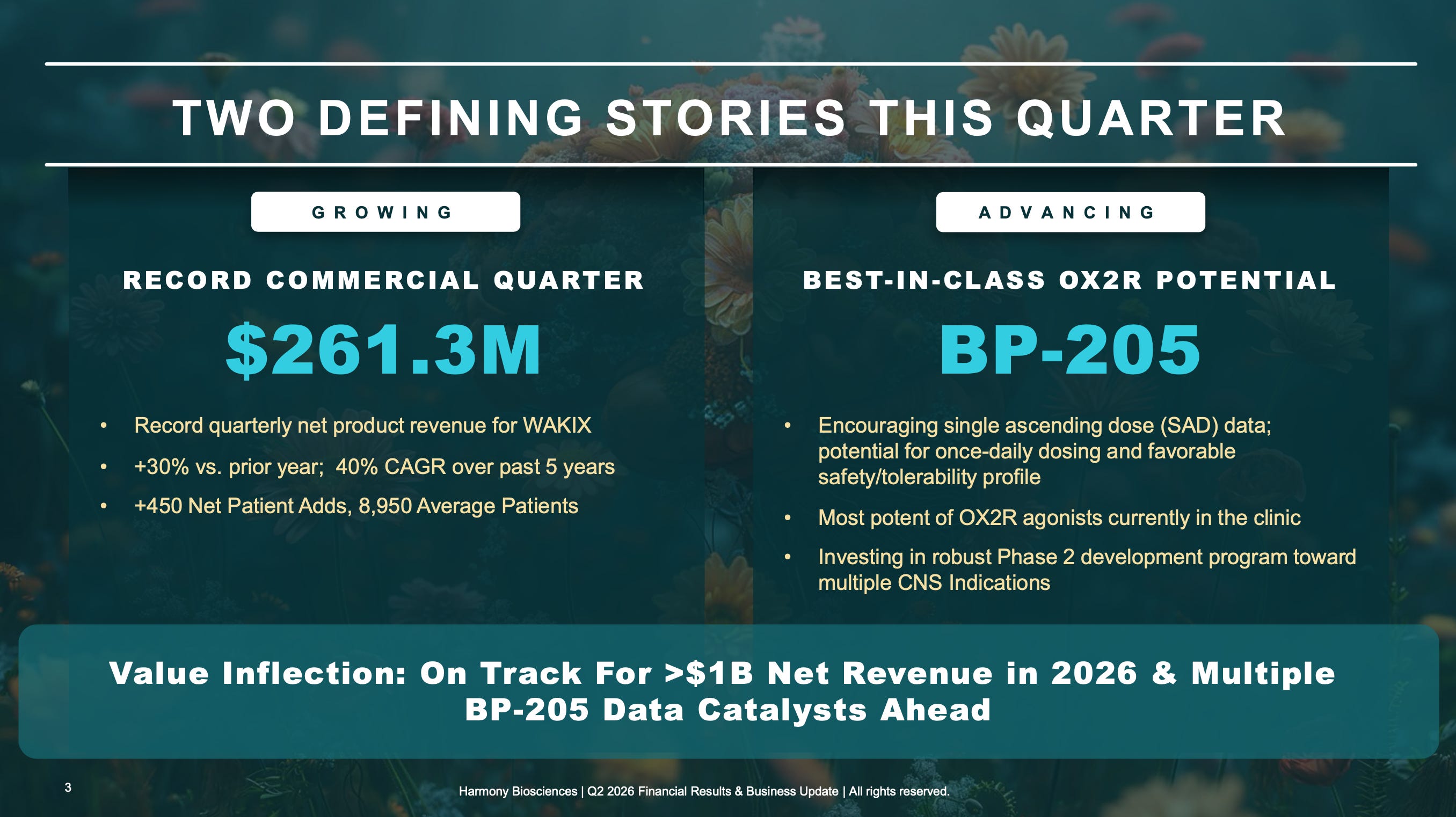
Harmony sells WAKIX (pitolisant), a treatment for narcolepsy, and the recent Q2 was a very strong quarter:
The key risk for HRMY is that almost all of Harmony’s revenue is derived from a single product. Any regulatory setback, safety concern, or loss of market exclusivity for WAKIX would severely threaten the company's financial viability.
HRMY is trying to mitigate that risk by expanding the indications for WAKIX, and more importantly by looking for strategic acquisitions that could advance the pipeline, like the 2024 acquisition of Epygenix Therapeutics.
The New Magic Formula Stock
As I explain in detail in my first Magic Portfolio post, I use Joel Greenblatt’s Magic Formula screener combined with financial ratios data to identify the top stocks in terms of combined rank for Return on Capital (using ROCE) and Earnings Yield (using EV/EBIT).
I extend the analysis with additional criteria: P/FCF (an alternative valuation lens to EV/EBIT), Revenue 3yr CAGR (is the company still growing?) and Net Debt/EBITDA (how much debt is on the balance sheet?).
With two names staying, only Abercrombie's slot is open.
Bath & Body Works (BBWI, Market Cap $3.4B)
Magic Formula metrics: ROCE 31% (3yr: 34%); EV/EBIT 6.9x; P/FCF 3.3x; Net Debt/EBITDA 3.0x
Bath & Body Works sells soap, candles and body care through more than 1,900 stores, mostly in North America. Stores are 77% of sales, digital 19%, international only 4%.
It ranked fifth of thirty on the latest list, and second and third on my two cash flow rankings. At a P/FCF of 3.3x it is one of the three cheapest names on the screen.
Why it is cheap
Sales are shrinking. The company guides to a 4.0% to 2.5% decline this year, and its share of the North American bath and shower market has fallen to 10.3% from 14.2% in 2021 while Dove and Olay held theirs.
Morningstar rates it no moat for that reason, and net debt sits at 3.0x EBITDA.
This probably summarizes why you can buy BBWI at four and a half times earnings.
What the price is ignoring
New leadership is implementing a turnaround plan (“Consumer First Formula”) which shows early promising signs.
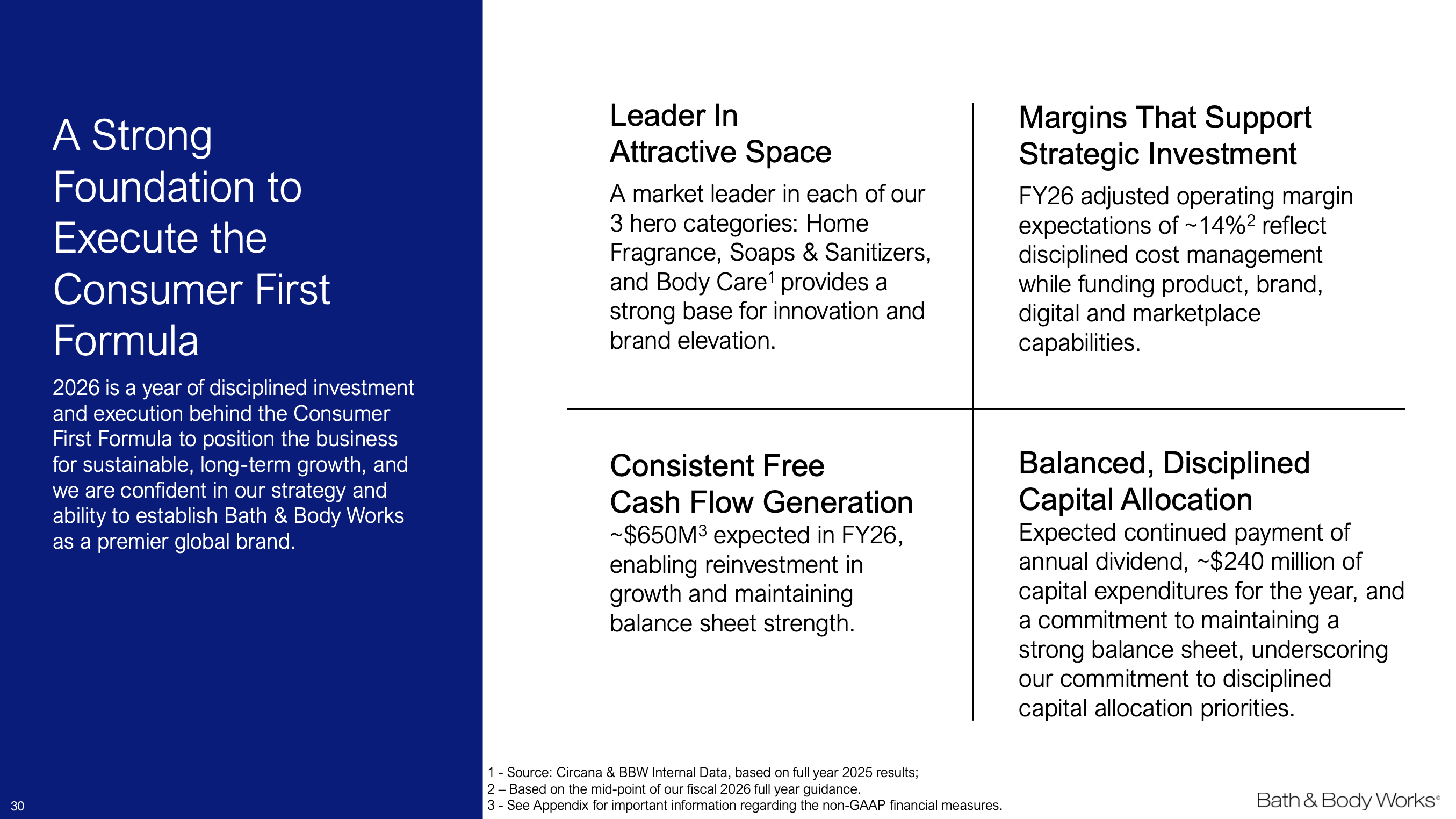
Second quarter sales fell 2.3% to $1.5 billion, but operating margin rose 370 basis points to 14.8%. Digital sales grew for the first time since 2021. Full year EPS guidance went up to $2.60-$2.80, helped by a $250M cost reduction program running ahead of plan.
Morningstar puts BBWI’s fair value at $54 against a share price around $16. Fair value estimates are obviously based on a lot of assumptions, but the gap tells you how much decline is already in the price.
One name in, one out, two staying, and the portfolio remains at 25 stocks.
That’s it for this week! Please like or share if you enjoy reading Guru Gems.
You can follow me on Substack @gurugems and X @guru_gems for more insights.
Until next week!